
EEAT Optimization for Personal Brands & Agencies | Build Trust & Rank Higher
How to Build Trust, Authority & Higher Google Rankings
INTRODUCING
In today’s AI-driven search landscape, ranking on Google is no longer just about keywords and backlinks. Google now prioritizes who is behind the content just as much as what the content says. This is where EEAT optimization becomes critical for personal brands and digital agencies.
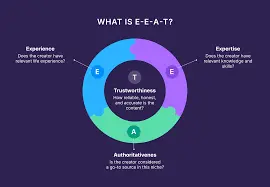
EEAT stands for Experience, Expertise, Authoritativeness, and Trustworthiness—a framework Google uses to evaluate content quality, especially in competitive and high-impact industries like marketing, finance, and health.
What Is EEAT and Why It Matters?
Google introduced EEAT to fight low-quality, AI-generated, and misleading content. Websites that demonstrate real-world experience and credibility are rewarded with better visibility and long-term rankings.
EEAT Breakdown:
Experience – First-hand, real-world knowledge
Expertise – Professional skills and subject mastery
Authoritativeness – Industry recognition and reputation
Trustworthiness – Transparency, accuracy, and reliability
For personal brands and agencies, EEAT directly impacts:
Organic rankings
Brand credibility
Lead quality
Conversion rates
EEAT Optimization for Personal Brands
Showcase Real Experience
Google wants proof that you’ve actually done the work.
Case studies with real results
Screenshots of analytics & campaigns
“What I learned” or “Behind the scenes” content
First-person blog writing (I, we, my experience)
EEAT + AI Content: What You Must Know AI content alone does not rank without EEAT.
To make AI-assisted content rank:
Add personal insights
Include real examples
Edit for originality & accuracy
Attach real authorship
Support with expert opinions
EEAT turns AI content into ranking content.
Final Thoughts: EEAT Is Your Competitive Advantage
EEAT optimization is no longer optional—it’s the backbone of sustainable SEO.
For personal brands, EEAT builds trust and recognition.
For agencies, it builds authority and high-value clients.
If you focus on real experience, expert-level content, transparency, and authority, Google will reward you with:
Higher rankings
Better leads
Stronger brand positioning

Strengthen Your Expertise Signals
Publish in-depth guides instead of short blogs
Cover niche-specific topics (not generic marketing advice)
Use industry terminology naturally
- Add certifications, awards, and years of experience
Build Personal Authority Online
Guest posts on industry blogs
Mentions in media or podcasts
Active LinkedIn thought leadership
Consistent brand name across platforms